










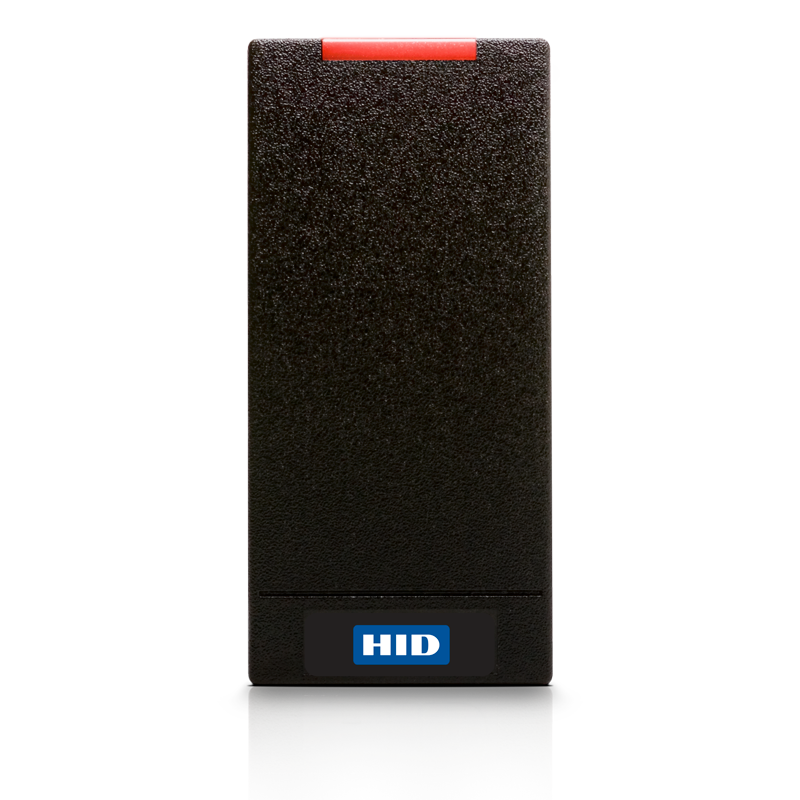
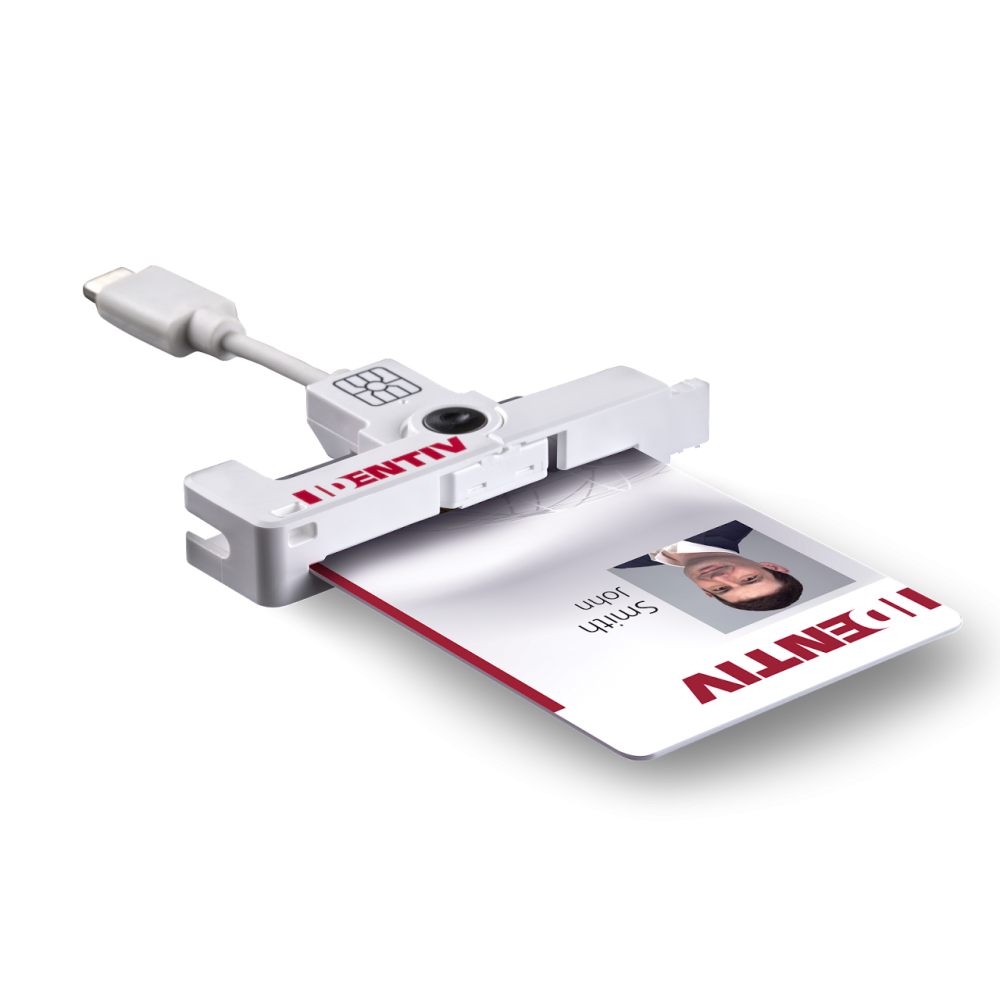
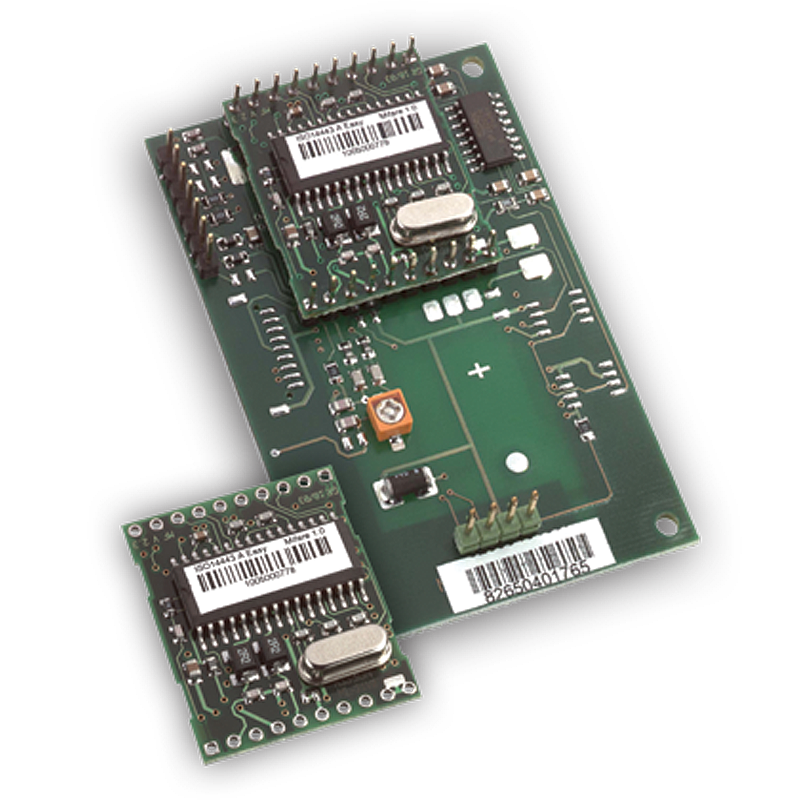























RFID technology is already deeply embedded into our everyday lives, but you may have some questions about how it's used and if it’s safe. It’s used in a range of different access control and banking systems, including Oyster cards, debit cards, hotel key cards, car keys, passports, and even your pet’s microchips.
Despite many of us using these items every single day, few of us may know how RFID technology works, or if it’s safe.
The technology is incredibly important in 2025 as it allows for contactless communication and identification, and it’s used extensively across a range of industries. But it doesn’t come without its criticisms! Whilst it can streamline everything from banking to inventory management, it also raises data breach concerns.
At Universal Smart Cards, we’re working to take the mystery out of RFID so that you can protect yourself when using the technology. This article is our comprehensive guide to all things RFID, including RFID security, whether the technology is safe and how you can reduce any associated risks.
What Is RFID & How Does It Work?
RFID (Radio-Frequency Identification) isn’t a new technology, but what exactly is it? Essentially, it uses electromagnetic fields in the form of radio waves to communicate between tags or transmitters and an RFID reader.
This makes things like contactless payment, access control solutions and inventory management more simple and streamlined. In fact, you’ve probably used RFID technology today if you’ve tapped your debit or credit card to pay for your morning coffee, or you used your Oyster card for your morning commute. Whilst there are some risks associated with these kinds of contactless technologies, the convenience and advancements they have made in the fintech and access control solutions space are undeniable.
So, What Is RFID Security?
RFID security is essentially the protection that is put in place to protect your data and prevent unauthorised access, cloning, tampering or general misuse. RFID security is all about making sure the wireless connection that occurs between cards or tags and readers can’t be stolen or intercepted by hackers.
Without adequate RFID security, you leave yourself open to potential skimming of cards or unauthorised access to your private and protected spaces.
What Are The Potential Risks Of RFID?
There are a few different risks or concerns that get raised whenever RFID is being discussed, and the biggest risks posed by the technology are in the physical access space.. One of the biggest risks is when it comes to physical access security. If you’re moving into an office that already has readers from the previous business installed, or you’re trying to implement these technologies on a budget, you might be leaving yourself open to security risks.
This is because, in some cases (not all the time), when readers are set up in the cheapest way possible, they have a lower security frequency or use unencrypted communications below the general “safe” standard for systems. When this happens, you leave yourself open to possible cloning of access badges, tags, or fobs, which could lead to unauthorised individuals in restricted areas of your building.
Overall, Though, Is RFID Secure?
When it comes to asking yourself, “Is RFID safe?” There are a few different things you’ll need to consider. If you’re finding yourself asking this question, the short answer is that yes, in most cases, it’s secure. Modern RFID devices use different RFID security methods to protect, store and transmit your data between the chip and the readers.
The chips in debit cards are considered to be generally very secure because they use one-time codes (or tokens) for each purchase you make to help protect your information and make it harder for criminals to clone or access your card details.
When it comes down to individuals using RFID technology in their daily lives, be it debit cards, credit cards, even car keys or fobs, it’s generally considered to be very safe and secure.
Is There Anything You Can Do To Improve RFID Security?
When it comes to protecting yourself from attacks on your RFID technologies, there are a few different ways to best mitigate risks. If you’re a business owner with an RFID access control solution, it’s important to opt for higher security (even if it comes at a higher cost) as this generally protects you better than opting for cheaper alternatives.
If you have RFID cards, fobs, or tags, it’s important to make sure they’re secure and not take them around town if possible.
Obviously, there are some instances where you’re going to need to take your RFID access control solutions out in public, and if that’s the case, you may want to consider investing in RFID shields. These aren’t a surefire fix, though, so it’s important to do your research on the most trusted brands and choose a shield with the best level of security for you.
Generally speaking, in 2025, the technology is pretty secure, but it’s still important to take your data protection seriously and invest in added security to protect your private information.
In Summary
In short, RFID technologies have been around for many, many years, and they’re generally considered quite safe and secure. Whilst there are some risks associated with RFID security, with the right precautions and guidance from the experts, you can minimise your risk of attacks and enjoy all the convenience this contactless technology offers.
To find out more about our RFID products or to chat to one of our experts about the risks, contact a member of our expert team today.