












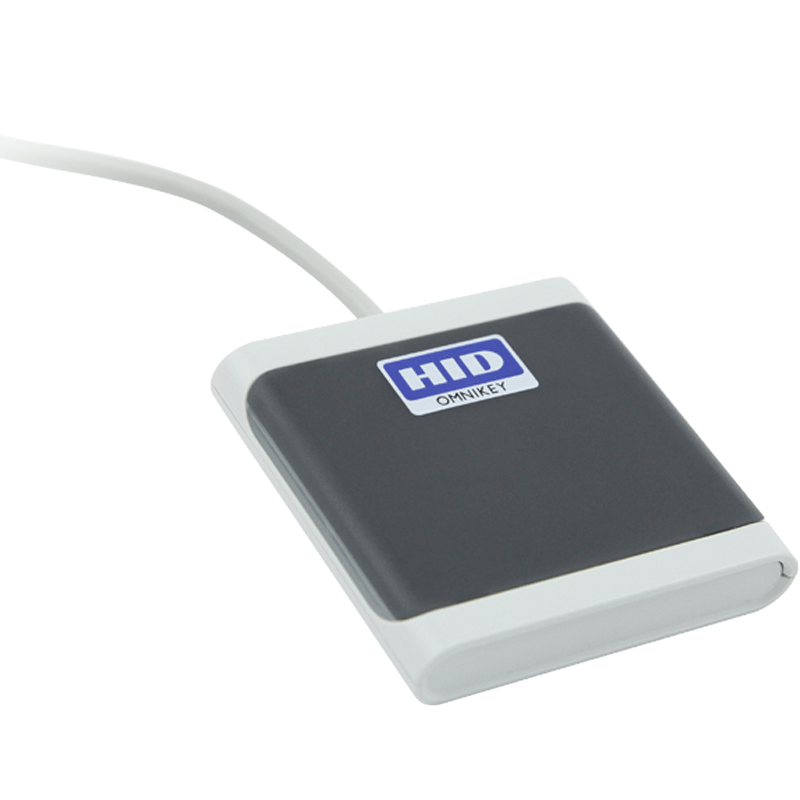

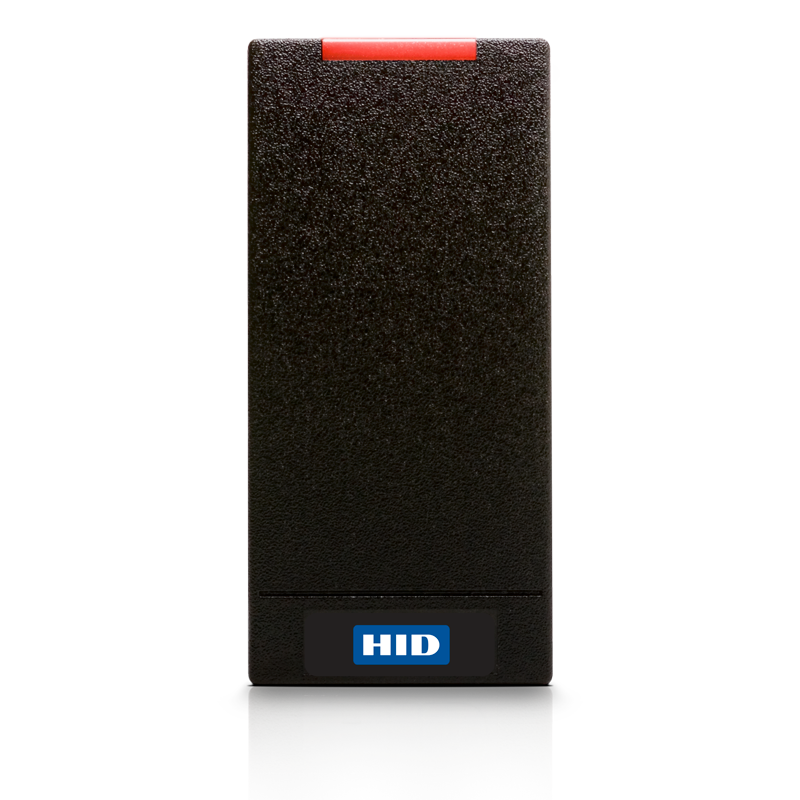
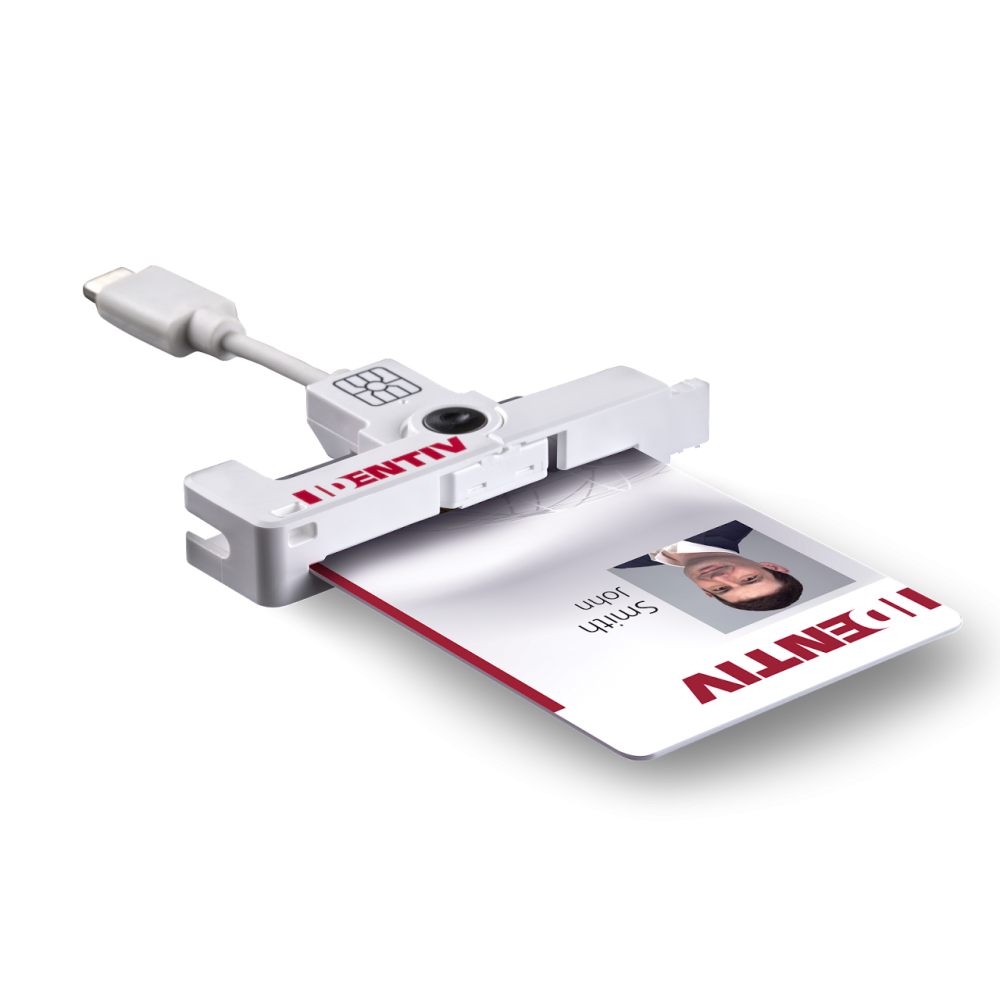



























Access Control Reality Check: When Is It Time to Review Your System?
Access control systems are often expected to work quietly in the background. Doors open, staff move freely, and day-to-day operations continue without interruption. For many organisations, that apparent reliability becomes a reason not to look any further.
But a system that still works is not always one that still fits.
As security expectations, compliance requirements, and ways of working evolve, access control technology that hasn’t been reviewed in years can quietly fall out of alignment. Not through failure, but through change.
This is where an access control reality check becomes important.
When “working” is no longer enough
Many legacy access control systems continue to perform their basic function, allowing authorised users through doors. However, modern organisations expect more from access control than simple entry management.
Today, access control plays a wider role in:
Security posture and risk management
Auditability and compliance
User experience and operational efficiency
Integration with wider systems and infrastructure
If your system was designed for a different era, it may no longer support these expectations, even if it still appears reliable.
Sign one: Security expectations have changed
The security landscape has evolved significantly over the past decade. Many older access control systems were implemented before encrypted credentials, secure reader communication, and detailed audit trails became standard expectations.
Legacy technologies may rely on outdated credential formats or communication methods that are no longer considered secure. While these systems may not immediately fail, they can introduce vulnerabilities that are increasingly difficult to justify.
Modern access control should actively support your security strategy, not simply allow access.
Sign two: Compliance and governance pressures are increasing
Physical access control is now recognised as part of wider organisational governance, particularly in regulated and enterprise environments.
Expectations around traceability, credential management, logging, and accountability continue to grow. Even where formal regulation does not apply, internal audits and risk reviews are placing greater scrutiny on how access is controlled and monitored.
If your access control system cannot easily support these requirements, it may be time to review whether it remains fit for purpose.
Sign three: Operational opportunities are being missed
Modern access control systems can deliver value beyond security alone.
Smart credentials and mobile access can support smoother onboarding, reduce administrative overhead, and integrate with other systems such as printing, parking, or building management. Access data can also provide useful insight into usage patterns and operational efficiency.
Legacy systems that focus solely on door entry may limit these opportunities, particularly as organisations invest in digital transformation and smarter environments.
Why reviews are often delayed
Access control reviews are often postponed because nothing appears broken. There may also be concerns around disruption, cost, or replacing infrastructure that still functions.
In reality, reviewing access control does not mean committing to immediate change. Modern technologies allow organisations to plan upgrades in phases, protecting existing investment while gradually improving security and capability.
A review is about understanding options, not forcing action.
A more considered approach to access control
The most effective access control upgrades are guided by understanding, not urgency. This starts with assessing how well the current system aligns with today’s security needs, compliance expectations, and future plans.
At Universal Smart Cards, we help organisations take a clear, structured view of their access control environment, identifying where systems still meet requirements and where change may be needed.
Our focus is on clarity, risk reduction, and long-term suitability.
When to take action
An access control system does not need to fail before it is reviewed. In many cases, the signs it’s time to act are quieter, changes in security expectations, compliance pressure, or operational ambition.
A reality check today can prevent rushed decisions tomorrow.
If you’re unsure whether your current access control system is still fit for purpose, Universal Smart Cards can help you assess your options and plan a confident, future-ready path forward.