







































The UK is raising the bar for cyber resilience. The proposed UK Cyber Security and Resilience Bill is set to become one of the most significant pieces of legislation affecting how both public and private sector organisations manage digital risk.
This comes at a time when cyber threats are at an all-time high, and global security frameworks are shifting toward FIDO, passwordless authentication, multi-factor authentication (MFA), and Zero Trust architecture.
What Is the UK Cyber Security and Resilience Bill?
The Bill builds upon the UK's existing NIS Regulations, aiming to improve national resilience by:
Expanding the definition of critical infrastructure and essential services
Mandating incident reporting, resilience planning, and cyber audits
Requiring organisations to proactively secure their digital supply chains
Empowering regulators to enforce penalties, issue improvement notices, and conduct investigations
Expected to come into force in 2025, the Bill aligns closely with EU NIS2, CISA guidelines in the US, and broader global security standards.
Who Will Be Affected by the UK Cyber Security and Resilience Bill?
The scope is intentionally wide. The Cyber Security and Resilience Bill UK isn’t just for traditional critical infrastructure like power grids or water suppliers, it’s about digital resilience across all essential sectors, including:
Energy and Utilities
Telecommunications & Data Infrastructure
Finance & Insurance
Healthcare
Transport & Logistics
Retail & eCommerce
Manufacturing & Engineering
Education & Research
Public Sector & Government Suppliers
Organisations that provide services considered vital to economic security, public safety, or the national digital ecosystem, or those that support them, will be required to meet stricter security standards under the UK Cybersecurity and Resilience Bill.
What Are the Threats?
The UK Cybersecurity and Resilience Bill responds directly to an evolving threat landscape. UK-based organisations are facing:
Credential phishing targeting employees and executives
Ransomware that disrupts operations and steals sensitive data
Supply chain attacks via third-party software and service providers
Nation-state-backed cyber attacks on national infrastructure
Insider threats through compromised endpoints
Over 80% of breaches still originate from weak or stolen credentials.
Staff can lose up to 11 hours per year dealing with password issues.
In many cases, legacy MFA methods are ineffective in stopping the threat.
Why Traditional MFA Isn’t Enough Anymore
There’s a growing misconception that any MFA = secure. But in today’s world, not all MFA is created equal, and many regulators are now demanding phishing-resistant MFA.
Outdated MFA Methods
SMS codes
Email OTPs
Authenticator app push notifications
These are still vulnerable to:
Phishing
Man-in-the-middle attacks
Credential replay attacks
Modern, Compliant MFA
Regulators, insurers, and industry frameworks now recommend or require phishing-resistant MFA, including:
FIDO2 security keys
Smart cards with PKI
Biometric authentication via smart cards or tokens
These methods offer:
Hardware-bound credentials
No shared secrets
Resistance to interception or credential theft
Alignment with Zero Trust and NIST/CISA best practices
It’s no longer a question of whether you have MFA, but whether your MFA can survive a phishing attack.
What Are the Penalties?
Under the draft legislation, failure to comply could result in:
Fines of up to £17 million or 4% of global revenue
Mandatory resilience improvement plans
Increased regulatory oversight and inspections
Damage to trust, reputation, and eligibility for public contracts
For many businesses, this could affect both operational continuity and market access, particularly if they form part of regulated supply chains.
How to Prepare: Secure Access, Passwordless Strategies & Resilience Audits
To stay ahead of compliance and cyber risk, organisations should act now:
Implement Passwordless Login via FIDO2
Deploy FIDO2 tokens or smart cards to eliminate traditional passwords. This greatly reduces the attack surface and improves the user experience.
Upgrade to Phishing-Resistant MFA
Use hardware tokens, biometric smart cards, or PKI-based smart cards. Avoid relying on SMS or app-based push MFA unless layered with additional controls.
Build a Zero Trust Security Model
Adopt a "never trust, always verify" model:
Validate device posture and user identity
Limit lateral movement
Use continuous authentication and monitoring
Audit Your Supply Chain
Ensure third-party vendors meet equivalent cybersecurity standards, particularly in identity, authentication, and access control.
How Universal Smart Cards Can Help
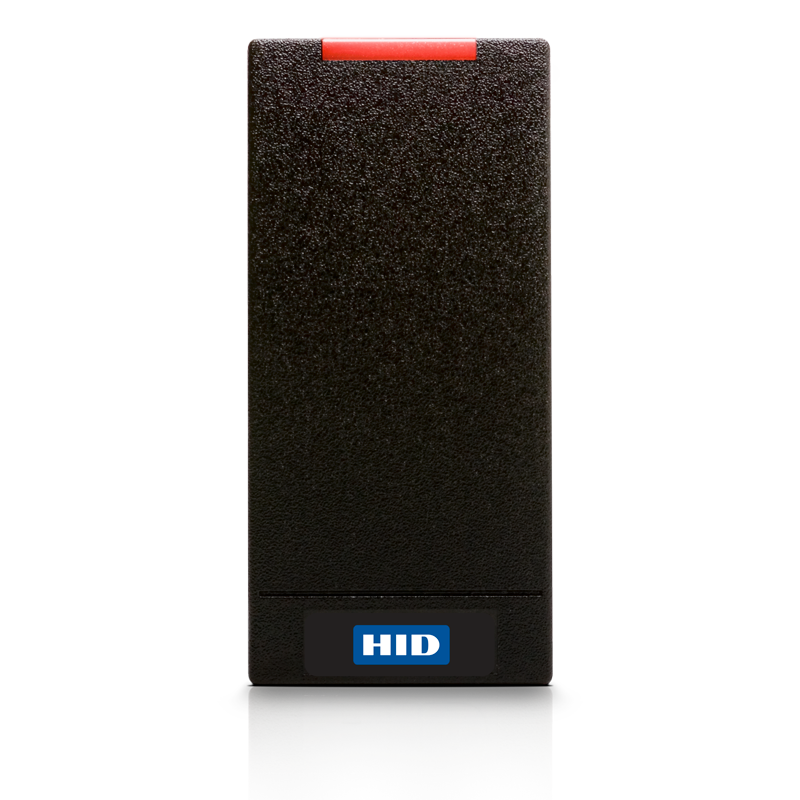
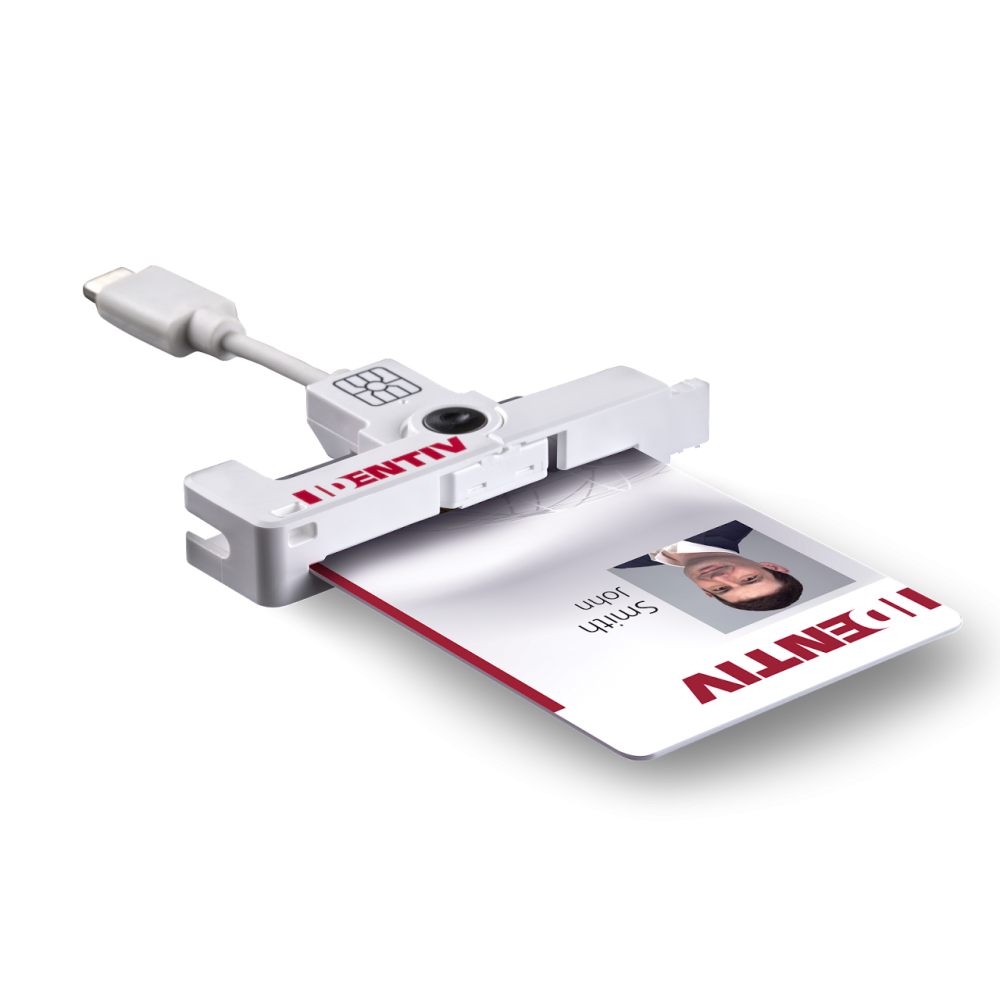
At Universal Smart Cards, we’ve been supporting public and private sector organisations with secure identity solutions for over 20 years. As longstanding partners and primary distributors for Thales, HID, and Identiv, we provide:
FIDO2 security tokens and passwordless login kits
Biometric smart cards and match-on-card authentication
PKI smart cards for government and enterprise use
Reader and middleware integrations with Microsoft, Okta, Azure AD and other IAM platforms
Expert support for rollouts, enrolment processes, and end-user onboarding
Whether you're starting from scratch or scaling an enterprise-wide Zero Trust strategy, we offer the hardware, software, and expertise to support your compliance and resilience journey.
From regulated utilities to high-stakes enterprise IT, we help secure the front door so your people, data, and infrastructure stay protected. Contact us today to find out how we can help you navigate this new Bill.
Final Thoughts: Resilience Is the New Compliance
The UK Cyber Security and Resilience Bill isn’t just about regulation; it’s a reflection of the reality that cybersecurity is national security.
Whether you're managing thousands of endpoints, running critical services, or delivering digital tools to public bodies, one truth remains:
Security starts at the point of access, and that point can no longer be a password.